
Insulin resistance: Impacting Your Hormones, Energy, & Weight
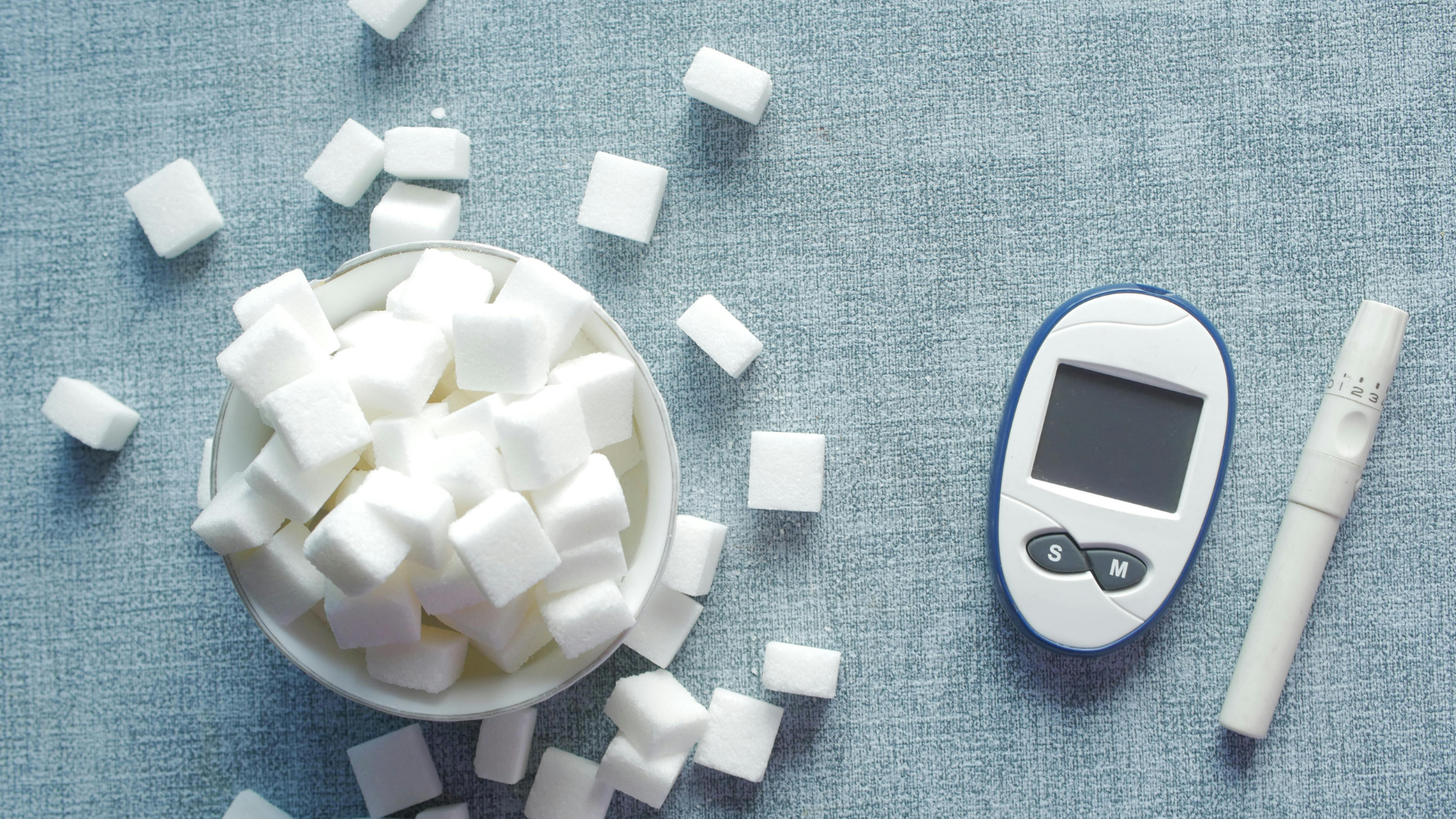
As a naturopathic doctor, one of the most common patterns I see in practice (especially in those struggling with fatigue, stubborn weight, and hormonal imbalance) is insulin resistance. It’s an often-overlooked root cause that impacts much more than blood sugar alone. Understanding how insulin works and how to optimize your body’s response to it can be a game-changer for your energy, metabolism, and hormonal health.
What Is Insulin & What Does It Do?
Insulin is a hormone produced by the pancreas. Its main job is to help move glucose (sugar) from your bloodstream into your cells, where it can be converted into ATP, your body’s energy currency.
After you eat, your blood sugar rises and, in response, your pancreas releases insulin. Once insulin does its job, blood sugar levels return to normal. In a healthy system, insulin should rise only after a meal and remain low the rest of the time.
Insulin Resistance: When Insulin Is Chronically Elevated
When our diet is high in refined carbohydrates or we experience chronic stress, poor sleep, or other triggers of inflammation, insulin can remain elevated for long periods of time. This condition is known as insulin resistance, which means that your cells stop responding efficiently to insulin’s signal.
The pancreas tries to compensate by releasing even more insulin, and over time this leads to a cascade of effects.
Insulin resistance symptoms may include:
Weight gain or difficulty losing weight: Insulin is an anabolic hormone, meaning it promotes storage. High insulin levels tell your body to store fat rather than burn it, particularly around the abdomen.
Energy crashes and cravings: Fluctuating blood sugar leads to that classic “afternoon slump” and drives cravings for quick carbs or caffeine.
Hormonal dysregulation (especially in women): High insulin stimulates the ovaries to produce more androgens (testosterone) and lowers levels of sex hormone-binding globulin (SHBG). This contributes to symptoms like acne, irregular cycles, hair thinning, and is a key driver in polycystic ovary syndrome (PCOS).
Insulin Resistance Test
Testing for insulin resistance goes beyond a single lab marker and instead looks at how the whole metabolic system is functioning. While fasting glucose and hemoglobin A1c (HbA1c) are common starting points, they often remain normal until insulin resistance is well-established. More sensitive tools include fasting insulin and HOMA-IR (a calculation using fasting glucose and insulin).
A naturopathic assessment might also include testing other metabolic and inflammatory markers in combination with questions about symptoms such as energy crashes, cravings, or post-meal fatigue. By combining functional lab testing with clinical patterns, we can identify insulin resistance before it evolves into prediabetes and create a more personalized strategy for restoring metabolic function.
Optimal vs. Normal Range for Fasting Insulin
While traditional labs often consider fasting insulin values up to 24 µIU/mL as “normal,” optimal metabolic function occurs when fasting insulin is below 5 µIU/mL.
At this level, insulin is doing what it’s meant to do, is released after meals to move glucose into cells, and is not constantly elevated between meals. Persistent fasting insulin above 8-10 can be an early sign of insulin resistance, even if fasting glucose or Hemoglobin A1c still look “normal.”
How to Improve Insulin Sensitivity Naturally
The good news is that insulin resistance is highly reversible with the right lifestyle habits and diet. Here are the most effective strategies I use in clinical practice:
1. Focus on Whole, Low-Glycemic Foods
Build meals around fiber, protein, and healthy fats. This slows glucose absorption and keeps insulin stable. Examples of what to include in your diet to mitigate symptoms of insulin resistance:
Leafy greens, non-starchy vegetables
Wild fish, pastured eggs, organic poultry, and lean grass-fed beef
Avocado, olive oil, nuts, and seeds
Minimizing refined sugars, white flour, and processed foods
2. Move Your Muscles
Skeletal muscle is your biggest consumer of glucose. Movement, especially strength training and post-meal walks, helps cells use glucose more efficiently and improves insulin sensitivity.
3. Prioritize Sleep and Stress Regulation
Chronic stress and poor sleep elevate cortisol, which in turn raises insulin. Practices like breathwork, yoga, mindfulness, and consistent sleep schedules are surprisingly powerful metabolic medicine.
Targeted Herbs, Supplements, & Peptides to Support Insulin Resistance
In some cases, lifestyle changes alone aren’t enough to restore optimal insulin function, especially when insulin resistance has been present for years or is contributing to hormonal concerns like PCOS. In these situations, targeted herbal and nutrient support can play a valuable role.
Compounds such as berberine, inositol, chromium, magnesium, alpha-lipoic acid, and cinnamon have been shown to enhance insulin sensitivity, improve glucose metabolism, and support hormonal balance.
Because each person’s metabolism and hormone profile are unique, these supports should be individualized based on lab results, health history, and overall goals.
Metabolically supportive peptides are another adjunct therapy to consider in some cases. Peptides such as GLP-1 analogs or insulin-sensitizing peptides can help improve glucose utilization, reduce cravings, and support sustainable weight balance. The goal is not lifelong reliance, but to restore metabolic responsiveness while foundational lifestyle measures take root.
Bringing It All Together
Optimizing insulin sensitivity is one of the most powerful things you can do for your health. It affects not only your blood sugar, but also your energy, weight, hormones, and long-term health.
If you’ve been struggling with stubborn weight or signs of hormonal imbalance, it’s worth testing your fasting insulin, not just fasting glucose or HbA1c. Subtle shifts in insulin dynamics often appear years before metabolic disease, and catching them early means we can reverse course naturally.

Have you been struggling with symptoms of insulin resistance?